
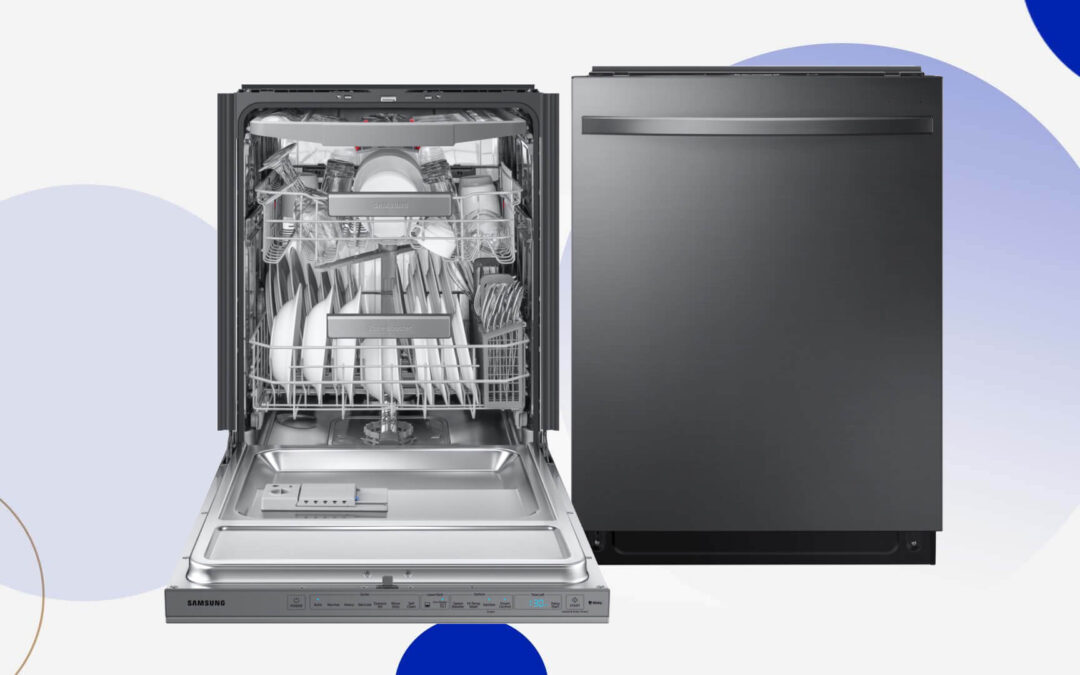
A dishwasher has become essential to modern households because of the convenience it brings to the homeowner. Using a dishwasher can mean more relaxation time for the homemaker after dinner time. However, issues during dishwasher operation are inevitable. There are various reasons that can affect how your dishwasher is not dissolving the detergent thoroughly. It is best to conduct a thorough check-up with your appliance if you notice your dishwasher detergent is not dissolving. If you own Samsung appliances, it is also recommended to avail yourself of professional Samsung repairs.
- Check the detergent dispenser for moisture – Ensure that the detergent dispenser or compartment is dry before filling it with detergent. A wet dispenser might only cause detergent to get stuck when the dishwasher is in operation. Keep your dishwasher detergent in a closed, tight container, so it isn’t damp when you load it in the dishwasher.
- Do not load the detergent too early – Detergent or a tablet may clump or adhere to the dispenser if it is loaded into the dispenser before the wash cycle has begun. Just before starting the wash cycle, put the detergent in the dispenser.
- Ensure that the dispenser lid is not restricted from opening – During the wash cycle, the dispenser lid opens and lets the detergent out. Some detergent may become stuck within the dispenser if the dishes you’ve loaded prevent it from opening entirely. Make sure the dishes are arranged so that the lid can open easily.
- The dishwasher door may need to be replaced – If the soap dispenser door doesn’t open, you might need to clean the area around it to eliminate any debris, food particles, or hard water buildup. If this doesn’t solve the issue, you might have to completely remove the door casing and install a new one.
- The spray arm holes may be clogged – The spray arms on your dishwasher have holes in them so that water can be released into the tub. There could not be enough water released into the tub if these holes were blocked. In this scenario, dishes won’t be adequately rinsed, and the detergent inside the dispenser won’t entirely dissolve.
- The spray arm may be broken and not able to spin – If you notice that your spray arm has become defective, it may be better if you call the assistance of a repair specialist who knows how to troubleshoot your appliance model.
- Malfunctioning inlet valve – Your dishwasher’s inlet valve lets water in. Water won’t flow through the jets and won’t be able to dissolve the tablet if your current input valve is broken. If you’re unsure whether your dishwasher is getting water, you can check to see if it does by opening the door slowly two minutes after pressing the start button. If there is no water, the inlet valve must most likely be replaced.
- Water is not warm enough – The water is not hot enough, which is one of the reasons why your dishwasher tablet is not dissolving. Dishwasher pills typically dissolve at a water temperature between 120 and 160 °F. Your dishes won’t be cleaned, and the detergent pill won’t dissolve if the water isn’t heated to the proper temperature. If your dishwasher has no built-in thermometer, you can test the temperature with water from the washer.
- Defective circulation pump – This one is the most prevalent of all the issues mentioned. The washer’s circulation pump keeps the water flowing through the jets, down to the bottom, and back up. If the circulation pump breaks down, the water won’t get to the tablet and won’t dissolve it correctly. Open the dishwasher door to see if water is splashing out if you notice an odd noise coming from the appliance shortly after it has been filled with water. If there is no water present or only a small amount, there is unquestionably a problem with the circulation pump.
Why should you hire a professional repair specialist?
Even if you own a Samsung dishwasher, it is still possible to have this issue in your appliance. Consult our repair technicians for a Samsung dishwasher repair today. We can assess your dishwasher issues today, especially for dishwasher detergent not dissolving upon operation.